

No products in the cart.
Vitamin Rich Foods; Are They Accessible?
Is Your Plate Truly Powering You? An Analysis of Vitamin-Rich Foods in Your Diet
In a fast-paced world, your brain is your most valuable asset. But how often do you pause to consider if your daily fuel—your diet—is truly delivering the essential vitamins and minerals it needs to perform at its peak? For many busy professionals, the answer might be a surprising “not always.” We juggle deadlines, client calls, and creative sprints, often grabbing whatever is quickest, rather than what is most nourishing. This oversight can have significant implications for your overall health, energy levels, and even your creative output.
This article invites you on a friendly journey to analyze your diet’s nutritional prowess. We’ll explore the critical role of vitamins and minerals, dive into common dietary pitfalls, help you identify genuinely vitamin-rich foods, and discuss the place of multivitamins and other supplements in a modern lifestyle. Our goal isn’t just to inform, but to empower you with the knowledge to make conscious dietary choices that support your demanding professional life and long-term well-being. By the end, you’ll have a clearer understanding of whether your plate is truly powering you forward, or if there are simple adjustments you can make to elevate your daily intake and embrace better healthcare practices.
The Foundation: Understanding Vitamins and Minerals for Peak Performance
At the heart of a truly vibrant body and a sharp mind lie vitamins and minerals. These aren’t just buzzwords; they are micro-nutrients, essential substances our bodies need in small amounts to function correctly, from generating energy to fighting off illness. Think of them as the tiny, meticulous engineers overseeing every process in your internal machinery. Without sufficient amounts, even the most robust systems begin to falter.
Vitamins are organic compounds vital for normal growth and nutrition, required in the diet because they cannot be synthesized by the body. They play diverse roles: Vitamin C is crucial for immune function and collagen production, B vitamins are powerhouses for energy metabolism and nerve function (critical for sustained concentration), and Vitamin D is essential for bone health and mood regulation. On the other hand, minerals are inorganic elements that originate from the earth and are absorbed by plants or eaten by animals. They are equally indispensable, with calcium building strong bones, iron transporting oxygen, and magnesium supporting muscle and nerve function.
The Modern Diet Dilemma: Are We Truly Getting Enough?
In an ideal world, a diverse and balanced diet would effortlessly provide all the vitamins and minerals we need. Long work hours often means relying on convenience foods, takeout, or skipping meals altogether. Highly processed foods, while convenient, are often stripped of vital nutrients and packed with sugars, unhealthy fats, and artificial ingredients. This creates a significant “nutrient gap,” where caloric intake is high, but nutritional density is low.
Consider the typical workday: a hurried breakfast, a desk lunch, and perhaps a late dinner. Are these meals consistently packed with colourful vegetables, whole grains, and lean proteins? Or are they dominated by refined carbohydrates and sugary snacks to power through a creative block? This pattern can lead to chronic fatigue, decreased cognitive function, and a weakened immune system—precisely the opposite of what you need to excel. Recognizing these common pitfalls is the first step toward analyzing if your current diet truly delivers the nutritional support your demanding lifestyle requires.
Analyzing Your Plate: Identifying Vitamin-Rich Foods for Optimal Health
So, how can you discern if your current eating habits are a nutritional powerhouse or a mere pit stop? It starts with a conscious effort to understand where vitamins and minerals truly reside. The good news is that nature provides an abundance of delicious, nutrient-dense options.
Let’s break down some key vitamin-rich food groups:
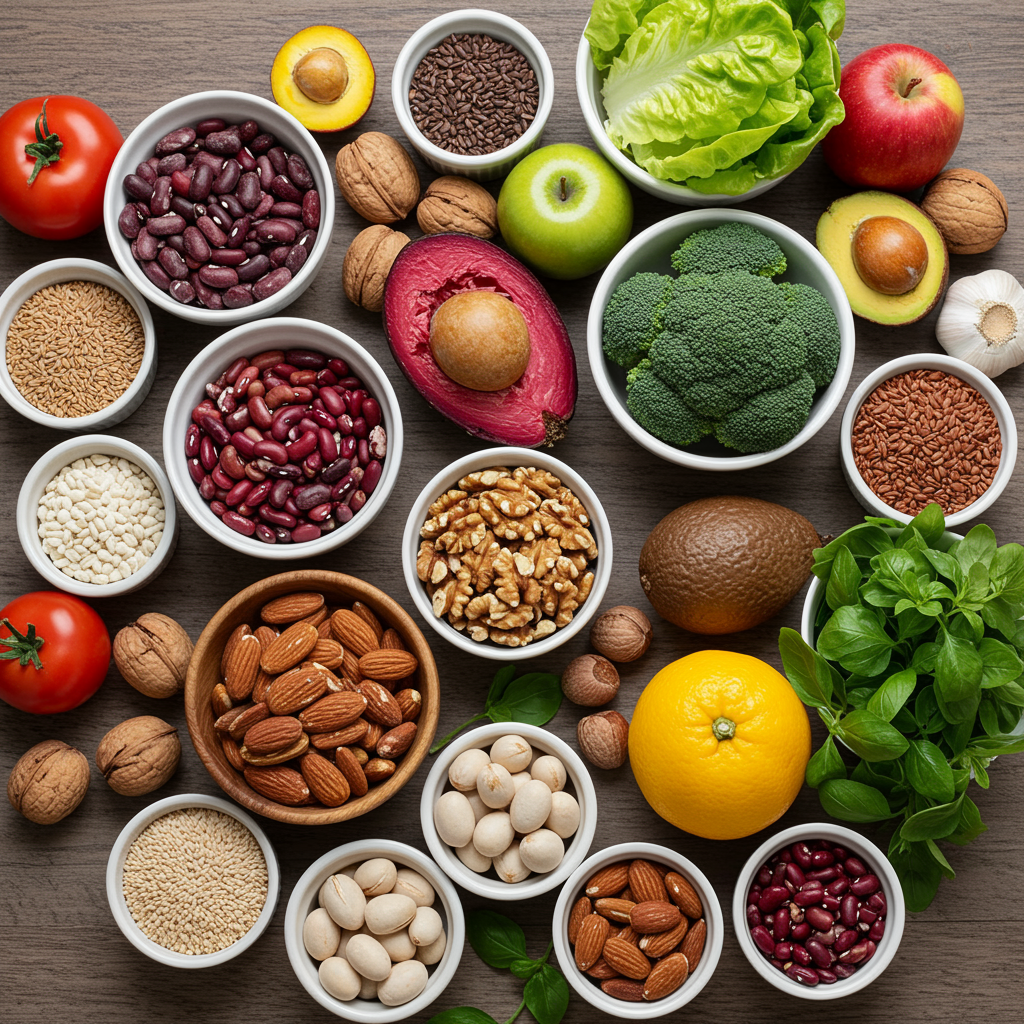
– Vibrant Fruits and Vegetables: These are your go-to sources. Think leafy greens like spinach and kale (rich in Vitamin K, A, and folate), citrus fruits and bell peppers (packed with Vitamin C), and vibrant berries (antioxidants and various vitamins). A spectrum of colors on your plate usually signifies a spectrum of nutrients.
– Whole Grains: Unlike their refined counterparts, whole grains like oats, brown rice, and quinoa retain their bran and germ, which are loaded with B vitamins, fiber, and essential minerals like magnesium and iron. These are crucial for sustained energy release, helping you avoid that mid-afternoon slump.
– Lean Proteins: Chicken, fish, beans, lentils, and tofu provide essential amino acids, but many are also excellent sources of minerals like iron and zinc, and vitamins like B12 (especially in animal products) which are vital for nerve health and red blood cell formation.
– Healthy Fats: Avocados, nuts, seeds, and olive oil offer not only healthy fats but also fat-soluble vitamins like Vitamin E and K, along with important minerals.
Incorporating these foods into every meal can dramatically boost your intake of essential vitamins and minerals, bolstering your overall health. For example, starting your day with oatmeal topped with berries and nuts provides complex carbohydrates, fiber, B vitamins, and antioxidants. A lunch salad brimming with various vegetables, lean protein, and a healthy dressing ensures a wide array of nutrients to keep your brain firing.
The Role of Multivitamins and Supplements in Your Healthcare Strategy
Even with the best intentions, maintaining a perfectly balanced diet every single day can be challenging. This is where multivitamins and other supplements enter the conversation, but it’s crucial to understand their role. They are designed to supplement your diet, not replace it. For individuals with specific dietary restrictions (like vegans who might need B12 supplements), increased needs (pregnancy, intense physical activity), or confirmed deficiencies, they can be incredibly beneficial.
However, simply taking a multivitamin without addressing underlying dietary habits is like trying to fill a leaky bucket with a thimble. It’s a Band-Aid, not a solution. Always prioritize whole, nutrient-dense foods first. If you’re considering supplements, it’s wise to consult a healthcare professional. They can help identify any specific nutrient gaps through blood tests and recommend appropriate dosages and forms, ensuring you’re not over-supplementing or taking something you don’t need. Remember, too much of a good thing can sometimes be detrimental, especially with certain fat-soluble vitamins or minerals. Responsible supplementation is a key component of proactive healthcare.
Optimizing Your Health: Practical Steps and Continuous Insights
Taking control of your diet and ensuring it delivers ample vitamins and minerals doesn’t have to be overwhelming. Start small. Perhaps commit to one extra serving of vegetables with dinner, or swap out a sugary snack for a piece of fruit and a handful of nuts. Meal prepping on weekends can save you precious time during busy workweeks, ensuring you have healthy, vitamin-rich options readily available. Focus on diversity: the more varied your diet, the broader the spectrum of nutrients you’re likely to consume.
Embracing better nutritional habits is a proactive step in your personal healthcare. It’s about more than just feeling good today; it’s about investing in your long-term health, cognitive agility, and resilience—qualities invaluable for many people. A body well-nourished with essential vitamins and minerals can better withstand stress, maintain focus for longer periods, and fuel your creative sparks.
Just as you meticulously analyze data, refine content, or perfect designs, understanding and optimizing your nutritional intake is a critical analytical process for your personal well-being. Staying informed and leveraging powerful tools and insights is paramount in every facet of your professional and personal life. To continue elevating your knowledge and capabilities, consider exploring platforms that empower you with cutting-edge information and analytical prowess, much like how you might approach optimizing your creative processes.
Powering Your Potential with Purposeful Nutrition
The question “Does your diet deliver vitamin-rich foods?” isn’t just about what you eat; it’s about how you empower your potential. A diet rich in essential vitamins and minerals isn’t a luxury—it’s a necessity. We’ve seen how a conscious effort to include vibrant fruits, vegetables, whole grains, and lean proteins can transform your health landscape, bridging common nutrient gaps. While multivitamins and other supplements can play a supporting role, they are most effective when built upon a foundation of nutrient-dense whole foods, always with an eye towards responsible healthcare practices.
It’s time to shift from passive eating to purposeful nutrition. Take a moment to reflect on your plate today, and ask yourself: Is it truly fueling my brilliance? By making informed, deliberate choices, you’re not just improving your diet; you’re investing in a sharper mind, a healthier body, and a more robust capacity for innovation and creativity.
Don’t miss out on insights that can elevate every aspect of your life and work! Stay informed, stay healthy, and continue to excel. Subscribe Now!


Leave a comment