

No products in the cart.
Vitamin E: Is It Suitable For Everybody?
Should I Take a Vitamin E Supplement? A Comprehensive Analysis for Your Health Journey
In the vast and often perplexing world of nutrition and wellness, the question of whether to take specific vitamins and supplements frequently arises. Among these, Vitamin E stands out as a powerful antioxidant, often celebrated for its potential to support various aspects of health. But with so much information available, discerning whether a Vitamin E supplement is genuinely beneficial for you can feel overwhelming. Are you getting enough from your diet? Could a supplement offer a significant boost, or are there potential downsides to consider?
This detailed guide is designed to cut through the noise, offering a friendly yet thorough analysis of Vitamin E, its role in your body, and the considerations around supplementation. Understanding your body’s nutritional needs is fundamental to optimal performance and well-being. We’ll explore the natural sources, potential benefits, and crucial considerations before you decide to add a Vitamin E supplement to your daily regimen, empowering you to make an informed decision for your personal healthcare journey.
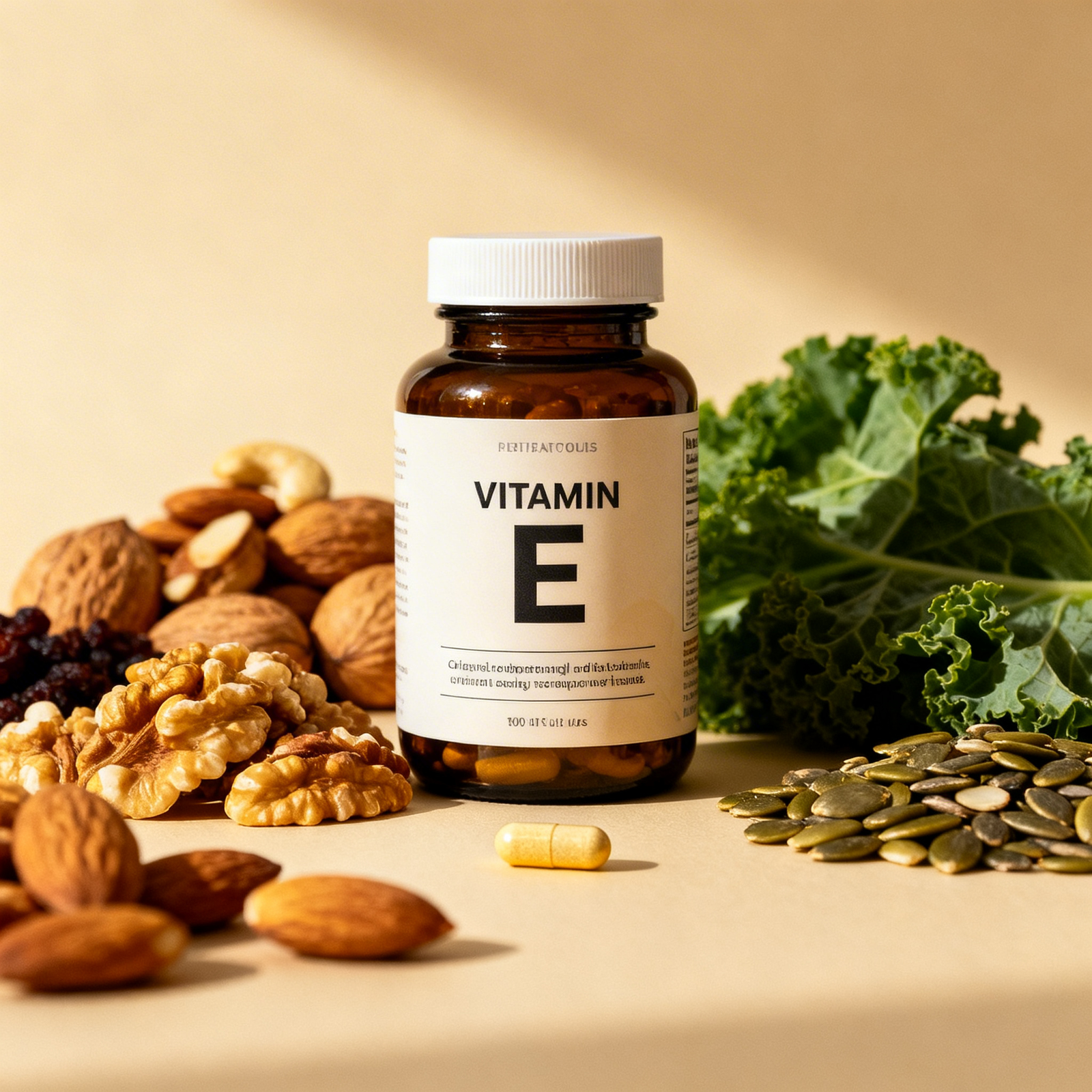
What Exactly Is Vitamin E and Why Is It Important for Your Health?
Vitamin E isn’t just one single compound; it’s a group of eight fat-soluble compounds, primarily known as tocopherols and tocotrienols. Of these, alpha-tocopherol is the most biologically active form in humans, and it’s what you’ll typically find in most supplements and fortified foods. As a fat-soluble vitamin, it’s stored in the body’s fatty tissues and liver, which means you don’t need to consume it every single day.
Its primary and most celebrated role is that of a potent antioxidant. Think of it as a cellular bodyguard. Our bodies are constantly exposed to free radicals – unstable molecules generated by metabolic processes, pollution, UV radiation, and even stress. These free radicals can cause oxidative stress, damaging cells, proteins, and DNA, which contributes to aging and the development of chronic diseases. Vitamin E neutralizes these harmful free radicals, protecting your cells from damage and supporting overall cellular health.
Beyond its antioxidant prowess, Vitamin E plays several other vital roles:
– Immune System Support: It helps maintain a robust immune system, enabling your body to fight off infections and illnesses more effectively.
– Skin and Eye Health: Vitamin E contributes to healthy skin by protecting it from environmental damage and supporting cell regeneration. It also plays a role in maintaining good vision and preventing age-related eye conditions.
– Blood Clotting: It’s involved in various metabolic processes, including the formation of red blood cells and the use of Vitamin K, which is essential for proper blood clotting.
Understanding these fundamental functions highlights why ensuring adequate Vitamin E intake is a cornerstone of good health.
Recognizing the Signs of Vitamin E Deficiency
While a severe Vitamin E deficiency is relatively rare, especially in healthy individuals with a balanced diet, it can occur. Those most at risk often have conditions that impair fat absorption, as Vitamin E requires fat for proper absorption in the digestive tract. Conditions like Crohn’s disease, cystic fibrosis, or certain genetic disorders can predispose individuals to deficiency.
Symptoms of Vitamin E deficiency tend to manifest over time and can include:
– Neurological Problems: Nerve damage, leading to difficulty with coordination, walking (ataxia), and muscle weakness.
– Vision Impairment: Degeneration of the retina, which can lead to impaired vision.
– Weakened Immune Response: A compromised immune system, making individuals more susceptible to infections.
– Anemia: Specifically, hemolytic anemia, where red blood cells are damaged and break down due to oxidative stress.
If you suspect a deficiency or are concerned about your intake of vitamins and minerals, it’s crucial to consult with a healthcare professional. They can assess your symptoms, consider your medical history, and recommend appropriate testing or dietary adjustments.
The Case for Vitamin E Supplements: Potential Benefits
For individuals who struggle to meet their Vitamin E needs through diet alone, or those with specific health concerns, supplements might seem like a straightforward solution. Let’s explore some of the potential benefits often associated with Vitamin E supplementation:
– Enhanced Antioxidant Protection: While dietary sources provide antioxidants, some individuals might seek extra protection against oxidative stress, especially in high-stress environments or with certain lifestyle factors.
– Skin Health and Repair: Due to its antioxidant properties, Vitamin E is often found in skincare products. Some studies suggest that oral supplementation, alongside topical application, might aid in skin healing and reduce damage from UV exposure.
– Immune System Boost: Research indicates that Vitamin E can enhance immune function, particularly in older adults, by improving the response of immune cells.
– Eye Health Support: Along with other antioxidants like Vitamin C and zinc, Vitamin E is a key component in formulas aimed at reducing the risk of age-related macular degeneration (ARMD) progression.
– Cardiovascular Health (with caution): Early observational studies suggested Vitamin E could protect against heart disease by preventing the oxidation of LDL (“bad”) cholesterol. However, large clinical trials have yielded mixed results, and current consensus suggests that it’s not a standalone preventative measure for heart disease. It’s often recommended to focus on a holistic approach including diet, exercise, and other multivitamins and minerals.
While these potential benefits are promising, it’s essential to approach supplements with a balanced perspective and prioritize safety.
Potential Risks and Considerations When Taking Vitamin E Supplements
While Vitamin E is vital, more isn’t always better. Because it’s a fat-soluble vitamin, excess amounts can accumulate in the body, potentially leading to adverse effects. This is a critical distinction from water-soluble vitamins, which the body typically excretes if consumed in excess.
Key considerations and risks include:
– High Doses and Bleeding Risk: One of the most significant concerns with high-dose Vitamin E supplementation is its potential to increase the risk of bleeding. This is particularly relevant for individuals taking anticoagulant medications (blood thinners like warfarin) or those scheduled for surgery. Vitamin E can inhibit platelet aggregation and interfere with Vitamin K’s role in blood clotting.
– Drug Interactions: Beyond blood thinners, Vitamin E supplements can interact with other medications, including statins (medications for cholesterol), potentially affecting their efficacy.
– Side Effects: While generally well-tolerated at recommended doses, very high doses can lead to side effects such as nausea, diarrhea, fatigue, headaches, and blurred vision.
– Synthetic vs. Natural Forms: Natural Vitamin E (d-alpha-tocopherol) is generally considered more bio-available (better absorbed and utilized by the body) than synthetic forms (dl-alpha-tocopherol). Checking the label for the form of Vitamin E is important when selecting a supplement.
– Increased Risk in Certain Populations: Some studies have suggested a potential increase in prostate cancer risk in men taking very high doses of Vitamin E. However, these findings are complex and warrant further research. Always discuss your specific health profile with a healthcare provider.
Given these considerations, it’s clear that supplementing with Vitamin E isn’t a decision to be taken lightly.
Food Sources vs. Supplements: Which is Better for Vitamin E?
For most people, the best way to obtain vitamins and minerals, including Vitamin E, is through a balanced and varied diet. Whole foods offer a complex array of nutrients, fiber, and other beneficial compounds that work synergistically in the body, something supplements cannot fully replicate.
Excellent dietary sources of Vitamin E include:
– Nuts and Seeds: Almonds, sunflower seeds, hazelnuts.
– Vegetable Oils: Wheat germ oil, sunflower oil, safflower oil, soybean oil, corn oil.
– Leafy Green Vegetables: Spinach, broccoli.
– Fortified Foods: Many cereals, fruit juices, and margarine are fortified with Vitamin E.
– Avocado: A delicious and nutritious source.
The recommended daily allowance (RDA) for adults is 15 mg (or 22.4 IU) of alpha-tocopherol. Many people can easily meet this through their diet. For example, a quarter-cup of sunflower seeds provides about 7.4 mg, and an ounce of almonds offers roughly 6.8 mg.
So, when might a supplement be considered?
– Dietary Restrictions: Individuals with limited dietary options, such as those with severe allergies or very restrictive diets.
– Malabsorption Issues: People with digestive disorders that impair fat absorption.
– Specific Medical Conditions: Under the guidance of a doctor, for certain medical conditions where Vitamin E might offer therapeutic benefits.
Before reaching for a bottle of supplements, it’s always best to evaluate your diet and consult a medical professional.
Making an Informed Decision: Is a Vitamin E Supplement Right for You?
The decision of whether to take a Vitamin E supplement is a highly personal one, influenced by your diet, lifestyle, and individual health status. While Vitamin E is undeniably crucial for many bodily functions, including its powerful antioxidant protection and support for the immune system, the vast majority of healthy individuals can obtain sufficient amounts through food.
For those who regularly consume nuts, seeds, vegetable oils, and leafy green vegetables, a separate Vitamin E supplement is often unnecessary. In fact, relying solely on multivitamins that contain a spectrum of vitamins and minerals might be a more holistic approach for general nutritional assurance, rather than targeting a single nutrient unless specifically advised.
However, if you have a diagnosed deficiency, a condition affecting nutrient absorption, or are taking certain medications, discussing supplementation with a healthcare provider is essential. They can offer personalized advice, consider potential interactions, and guide you on appropriate dosages, ensuring that any supplement use is both safe and effective for your unique healthcare needs.
Ultimately, prioritize whole foods, maintain a balanced lifestyle, and always seek professional medical advice before introducing any new supplements into your regimen. Empower yourself with knowledge to navigate your wellness journey confidently.


Leave a comment