

No products in the cart.
The Power Duo: Folate and Blood Pressure Medication?
How Folate with Blood Pressure Medication Significantly Reduces Stroke Risk
Stroke remains a formidable challenge in global healthcare, impacting millions of lives and leaving a lasting legacy of disability. It’s a condition that underscores the critical importance of proactive health management and innovative preventive strategies. For years, medical science has focused on managing key risk factors like high blood pressure, but what if a simple addition to existing treatments could offer an even greater shield against this devastating event? Emerging research points to a compelling answer: the humble vitamin folate, when combined with standard blood pressure medication, holds remarkable potential for stroke reduction.
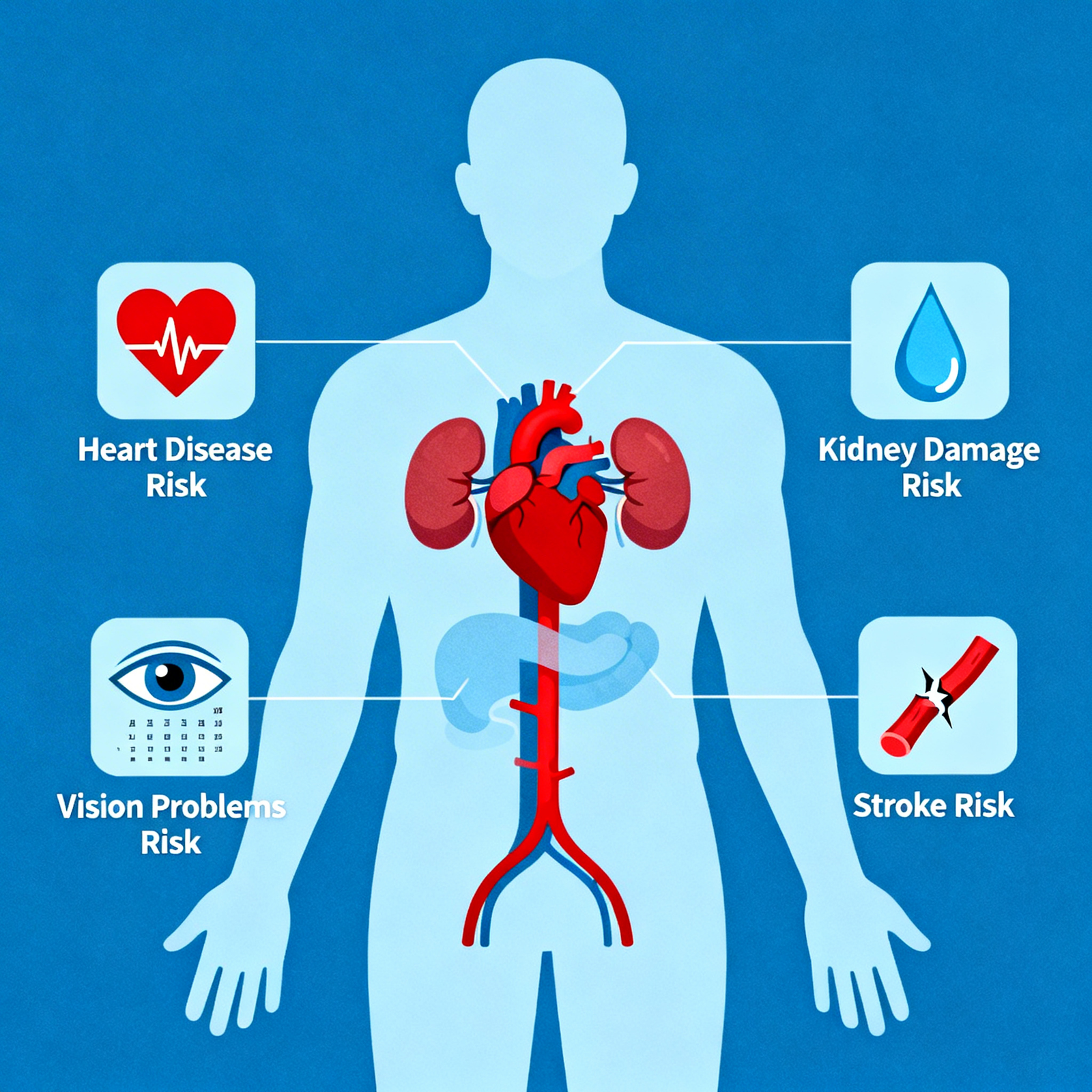
This isn’t just about taking another supplement; it’s about a synergistic effect that tackles a specific biological pathway linked to stroke risk. In this article, we’ll dive deep into the fascinating science behind folate’s role, exploring how this often-overlooked B vitamin works in tandem with antihypertensive drugs to fortify your defenses. We’ll unravel the intricate connections between vitamins, minerals, and our cardiovascular health, offering a fresh perspective on preventive healthcare that could be a game-changer for many. Prepare to understand the vital role of nutrition in disease prevention and how targeted interventions can lead to significant improvements in public health outcomes. You’ll gain actionable insights into this powerful combination, empowering you with knowledge for better health decisions.
Understanding Stroke: A Silent Threat to Our Health
Stroke occurs when the blood supply to part of your brain is interrupted or reduced, depriving brain tissue of oxygen and nutrients. Within minutes, brain cells begin to die. This can lead to lasting damage, affecting speech, movement, memory, and more. It’s a leading cause of long-term disability worldwide and a significant contributor to mortality, making its prevention a cornerstone of modern healthcare.
There are two main types of stroke: ischemic, caused by a blocked artery (the most common type), and hemorrhagic, caused by a leaking or burst blood vessel. While factors like genetics and age play a role, high blood pressure is arguably the most significant modifiable risk factor. Managing hypertension effectively is crucial, yet even with optimal blood pressure medication, residual risk can remain. This is where the nuanced approach of integrating specific vitamins and supplements becomes particularly interesting for enhancing overall health.
Understanding the mechanisms behind stroke is the first step towards effective prevention. Proactive healthcare strategies, which include diligent management of chronic conditions and informed lifestyle choices, are paramount. Learn more about managing your blood pressure effectively to safeguard your well-being.
The Power of Folate: More Than Just a Vitamin
Folate, also known as vitamin B9, is an essential nutrient naturally found in foods like leafy green vegetables, citrus fruits, beans, and fortified grains. Its synthetic form, folic acid, is commonly used in supplements and multivitamins. This vitamin plays a critical role in numerous bodily functions, including DNA synthesis and repair, cell division, and the formation of red blood cells. However, its importance extends beyond these fundamental processes, particularly when it comes to cardiovascular health and stroke reduction.
One of folate’s most crucial functions is its involvement in the metabolism of homocysteine. Homocysteine is an amino acid in the blood, and while necessary in small amounts, elevated levels are a known risk factor for cardiovascular disease and stroke. High homocysteine can damage the lining of blood vessels, promoting plaque buildup and increasing the likelihood of blood clots. Folate, along with vitamins B6 and B12, helps convert homocysteine into other substances, effectively lowering its concentration in the blood.
This metabolic pathway highlights why adequate folate intake is so vital for maintaining healthy blood vessels and reducing the risk of cardiovascular events. It acts as a silent guardian, working behind the scenes to keep our circulatory system running smoothly. Want to stay updated on the latest health breakthroughs and how essential vitamins like folate impact your well-being? Subscribe Now!
The Groundbreaking Research: Folate and Blood Pressure Medication Synergy
For years, researchers have investigated various strategies to bolster stroke prevention, and one particular area of stroke analysis has yielded remarkable results. A landmark study, often cited, is the China Stroke Primary Prevention Trial (CSPPT), which involved over 20,000 adults with hypertension. The trial specifically looked at the effect of combining enalapril (a common blood pressure medication from the ACE inhibitor class) with folic acid, compared to enalapril alone.
The findings were compelling: participants who received the combination of enalapril and folic acid experienced a significant reduction in their first stroke risk—about 21% lower than those taking enalapril alone. This pivotal healthcare research highlighted a synergistic effect. ACE inhibitors, while effective at lowering blood pressure, can sometimes lead to an increase in homocysteine levels. By adding folate, this adverse effect is countered, preventing the homocysteine-related damage that can elevate stroke risk even when blood pressure is controlled.
This targeted intervention addresses a critical gap in traditional hypertension management, offering a dual-pronged approach to stroke reduction. It leverages the known benefits of blood pressure medication while simultaneously mitigating another independent risk factor through the action of a simple vitamin. The implications for public health are profound, suggesting a straightforward and cost-effective strategy to save lives and reduce disability.
Why This Combination Matters for Your Health
The synergy between folate and blood pressure medication is particularly relevant for populations where dietary folate intake might be lower, or for individuals who are genetically predisposed to higher homocysteine levels. By prescribing a combination therapy, healthcare providers can offer a more comprehensive protective strategy. This isn’t just about managing symptoms; it’s about addressing underlying biochemical pathways to achieve superior health outcomes.
For many, particularly in regions where folate-fortified foods are less common, this combination offers a vital layer of protection. It underscores the concept that optimizing our internal biochemistry with essential vitamins and minerals can profoundly impact the effectiveness of conventional medical treatments. Discover comprehensive strategies for a healthy lifestyle, including nutrition and exercise.
Integrating Folate into Your Healthcare Routine: What You Should Know
Considering the strong evidence for folate in stroke reduction, how can individuals integrate this vitamin into their healthcare routine? It’s important to remember that while diet is a primary source of folate, including plenty of leafy greens, legumes, and fortified cereals, supplements (typically in the form of folic acid) are often used to ensure adequate intake, especially when targeting specific health outcomes.
Many multivitamins already contain folic acid, making it a convenient option for some. However, it is absolutely crucial to consult with a healthcare professional before starting any new supplements or altering your existing blood pressure medication. They can assess your individual needs, consider potential interactions, and ensure that the dosage is appropriate for you. For instance, high doses of folic acid can sometimes mask a vitamin B12 deficiency, which has its own set of neurological implications. Personalizing your healthcare strategy with expert guidance is always the safest and most effective approach.
The role of folate in preventing stroke alongside blood pressure medication is a powerful example of how nuanced dietary and supplemental strategies can enhance conventional medicine. For more expertly crafted insights and vital health tips, ensuring you stay informed and empowered, Subscribe Now!
Beyond Folate: A Holistic Approach to Stroke Prevention
While the combination of folate and blood pressure medication represents a significant step forward in stroke reduction, it’s part of a larger picture of holistic health. True prevention encompasses a multifaceted approach. This includes maintaining a balanced diet rich in fruits, vegetables, and whole grains, getting regular physical activity, managing stress effectively, and avoiding smoking and excessive alcohol consumption. These lifestyle choices synergistically contribute to lower blood pressure, healthier cholesterol levels, and overall cardiovascular resilience.
Regular check-ups with your healthcare provider are also indispensable. They help monitor your blood pressure, cholesterol, blood sugar, and other key indicators of health, allowing for early intervention when necessary. Vitamins and minerals are indeed vital components of our diet, but they function best within a comprehensive health strategy. Relying solely on supplements without addressing fundamental lifestyle factors will likely not yield the same powerful results. Embrace a full spectrum of proactive choices to truly safeguard your well-being.
Conclusion
The analysis of adding folate to blood pressure medication to reduce stroke risk stands as a compelling testament to the intricate relationship between nutrition and modern healthcare. This groundbreaking research underscores how a simple yet essential vitamin can significantly amplify the protective effects of conventional therapies, offering a powerful strategy for stroke reduction. It highlights that sometimes, the most impactful advancements in health come from understanding the synergistic power of combining established treatments with vital nutrients.
As we continue to navigate the complexities of preventing chronic diseases, the insights gained from studies like these empower us to make more informed decisions about our health. Always remember the importance of consulting your healthcare provider before making any changes to your medication or supplement regimen. By integrating evidence-based strategies, from managing blood pressure medication to ensuring adequate folate intake, we can collectively strive towards a future with fewer strokes and enhanced well-being for all. Don’t miss out on vital health information and the latest research. Subscribe Now to our newsletter and empower your health journey!


Leave a comment