

No products in the cart.
The Iron Truth: Unpacking This Essential Mineral’s Vital Role in Your Health
Ever felt a persistent brain fog, a dip in energy that even extra coffee can’t fix, or simply struggled to maintain focus on complex tasks? For busy professionals, maintaining peak cognitive function and energy levels is not just a luxury – it’s a necessity. Your ability to innovate, create, and analyze hinges on optimal bodily function, and at the heart of much of this lies a single, mighty mineral: iron. Often overlooked, iron is a cornerstone of overall health, playing far more roles than simply preventing anemia. It’s an unsung hero, silently powering everything from your daily stamina to your sharpest mental clarity.
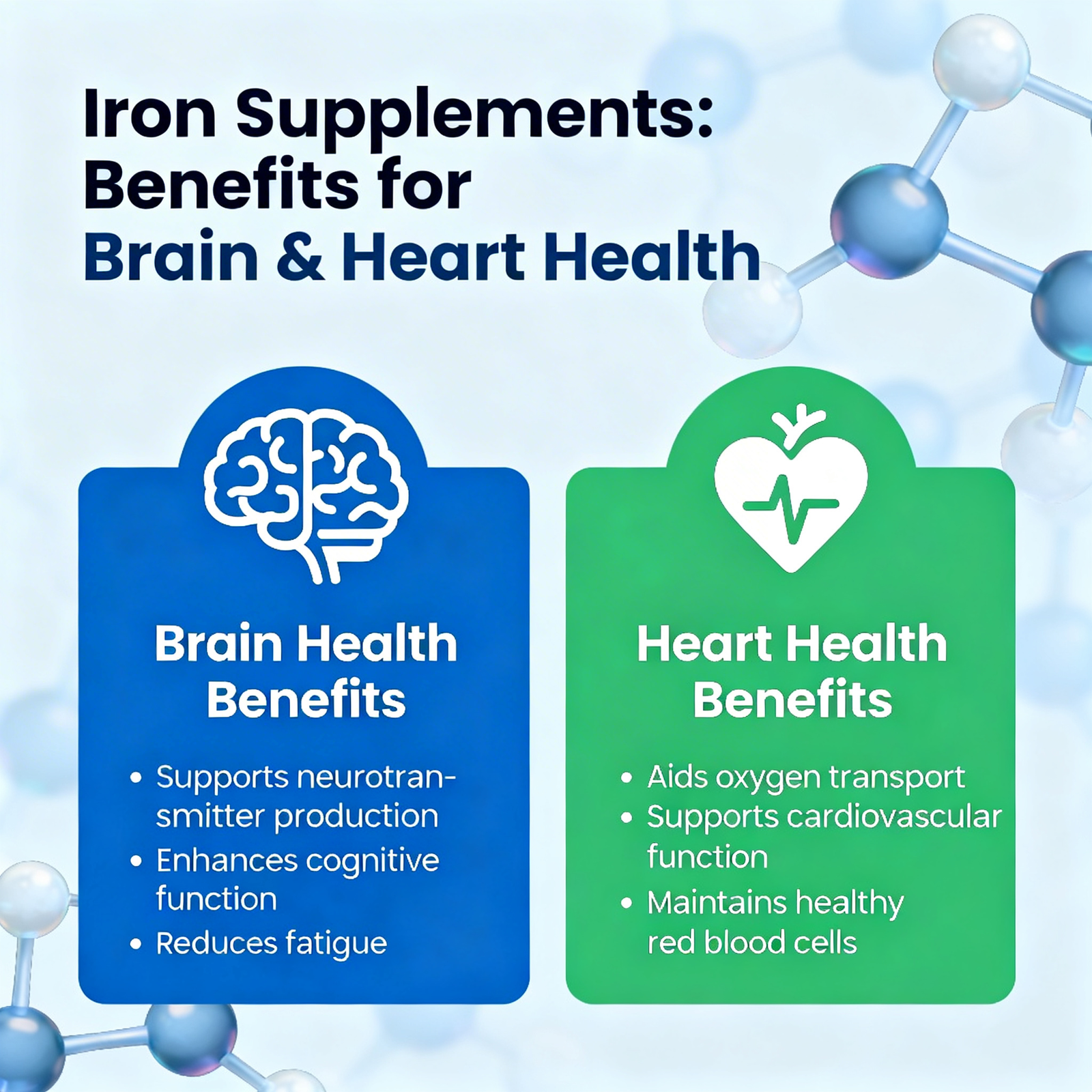
This essential mineral acts as a crucial cofactor in numerous biochemical processes, making it indispensable for physical and mental well-being. From transporting life-giving oxygen to fueling cellular energy and bolstering your immune system, iron’s influence is profound. Understanding its functions, recognizing the signs of deficiency, and knowing how to maintain optimal levels – potentially through diet, multivitamins, or targeted supplements – is a powerful step towards safeguarding your health and maximizing your professional output. Join us as we delve into the intricate world of iron and uncover why this micro-nutrient is absolutely vital for your vibrant health and continued success.
The Core Functions of Iron: More Than Just Blood
Iron is a true multi-tasker within the human body, involved in countless processes that are fundamental to our existence. Its roles extend far beyond just blood health, impacting virtually every system.
Oxygen Transport: Fueling Your Cells
Perhaps iron’s most renowned role is its central part in oxygen transport. It’s an indispensable component of hemoglobin, the protein in red blood cells responsible for carrying oxygen from your lungs to every cell and tissue in your body. Think of it as the ultimate delivery service, ensuring your muscles, organs, and especially your brain, receive the oxygen they need to function optimally. This constant, efficient delivery is critical for preventing fatigue and maintaining the endurance required for long workdays or intense creative sessions. Moreover, iron is also found in myoglobin, which stores oxygen in muscle cells, empowering physical activity and recovery.
Energy Production: Powering Your Inner Workings
Beyond oxygen transport, iron plays a pivotal role in cellular energy production. It’s a key component of enzymes involved in the electron transport chain, a crucial process within your mitochondria – the powerhouses of your cells – that generates adenosine triphosphate (ATP), your body’s primary energy currency. When iron levels are insufficient, this energy production falters, leading to pervasive tiredness and reduced physical stamina. For those who need to maintain focus and energy throughout demanding projects, robust energy metabolism, fueled by adequate iron, is absolutely essential.
Immune System Support: Your Body’s Defender
A strong immune system is your first line of defense against illness, and iron is integral to its proper functioning. It supports the proliferation and maturation of immune cells, including lymphocytes, which are critical for fighting off infections. Without sufficient iron, your immune response can be weakened, leaving you more vulnerable to colds, flu, and other pathogens. Maintaining optimal iron levels is therefore a proactive step in preserving your overall health and ensuring fewer interruptions to your busy schedule.
Cognitive Function and Neurotransmitter Synthesis
Iron directly impacts brain health by aiding in the synthesis of neurotransmitters like dopamine and serotonin, which regulate mood, attention, and cognitive processes. Adequate iron levels are linked to better memory, improved concentration, and enhanced problem-solving abilities. A deficiency can manifest as difficulty focusing, reduced mental sharpness, and even irritability, directly hindering your creative and analytical output. This connection highlights why iron is not just about physical health, but also about mental acuity and sustained intellectual performance. Discover other vital minerals for cognitive function.
Recognizing the Signs: When Iron Levels Dip
Despite its critical importance, iron deficiency is surprisingly common worldwide. Recognizing the symptoms early can prompt timely intervention and prevent more severe health complications.
Common Symptoms of Iron Deficiency
The most pervasive symptom of iron deficiency is profound fatigue and weakness, often disproportionate to activity levels. Other common signs include pale skin, shortness of breath, especially during exertion, brittle nails, restless legs syndrome, and a general feeling of being unwell. In more severe cases, it can lead to iron deficiency anemia, where the body lacks enough healthy red blood cells to carry adequate oxygen to tissues. These symptoms can severely impact daily life, making even routine tasks feel overwhelming and significantly reducing productivity and enjoyment. Explore common health concerns for professionals.
Who is at Risk?
Certain groups are more susceptible to iron deficiency. Women of childbearing age, particularly due to menstruation and pregnancy, are at a higher risk. Vegetarians and vegans, whose diets might primarily consist of non-heme iron (which is less readily absorbed), also need to pay close attention to their intake. Athletes, individuals with certain chronic health conditions (like celiac disease or inflammatory bowel disease that impair absorption), and those with internal bleeding are also prone to developing low iron levels. If you fall into any of these categories or experience persistent symptoms, consulting a healthcare professional is a wise step.
Maintaining Optimal Iron Levels: Diet, Vitamins, and Supplements
Achieving and maintaining healthy iron levels typically involves a combination of dietary awareness and, when necessary, targeted supplementation, always under healthcare guidance.
Dietary Sources of Iron
Your diet is the primary source of iron. There are two main types:
Heme Iron: Found in animal products like red meat, poultry, and fish. It is highly bioavailable, meaning the body absorbs it efficiently.
Non-Heme Iron: Present in plant-based foods such as lentils, beans, spinach, fortified cereals, and dark chocolate. While essential, its absorption can be enhanced by consuming it with vitamins, especially Vitamin C, which is found in citrus fruits, bell peppers, and broccoli. Pairing a spinach salad with orange slices, for example, can significantly boost iron absorption.
The Role of Multivitamins and Individual Supplements
While a balanced diet is always the first recommendation, sometimes dietary intake isn’t enough. Many multivitamins contain a baseline amount of iron, which can be sufficient for some individuals. However, for those with diagnosed deficiency, a specific iron supplement might be necessary. It is crucial to approach supplements with caution; iron overload can be toxic. Therefore, always consult with a healthcare professional before starting any iron supplement regimen. They can assess your needs through blood tests, recommend the appropriate dosage, and monitor your progress. This personalized healthcare approach ensures safety and efficacy. Learn more about essential vitamins and their impact on energy levels.
A Holistic Approach to Health
Remember that iron doesn’t work in isolation. Optimal health depends on a symphony of vitamins and minerals working together. Iron interacts with other nutrients, such as Vitamin C for absorption and Vitamin B12 for red blood cell formation. A holistic approach to your health, focusing on a nutrient-rich diet, adequate sleep, stress management, and regular check-ups with healthcare providers, ensures all these elements are in harmony.
Conclusion
Iron, though a microscopic mineral, plays a colossal role in every aspect of your health. From fueling your cells with oxygen and powering your energy metabolism to bolstering your immune defenses and sharpening your cognitive prowess, its presence is indispensable. Understanding and optimizing your iron levels isn’t just about avoiding illness; it’s about unlocking your full potential for creativity, focus, and sustained productivity.
If you suspect your iron levels might be low, or if you’re simply aiming for peak health, consult your healthcare provider for guidance. They can help you craft a strategy that includes the right dietary choices, and if necessary, appropriate vitamins or supplements, ensuring you stay energized, sharp, and resilient. Prioritizing your iron intake is a powerful investment in your long-term well-being and professional success.
Subscribe Now to stay informed on the latest health and wellness insights that empower your life and career!


Leave a comment