

No products in the cart.
Does Saw Palmetto have a role in Prostate Health?
Saw Palmetto And Prostate Health: A Friendly Analysis
The landscape of personal health and wellness is often navigated through a blend of traditional wisdom, emerging science, and a dash of optimistic hope. For many, maintaining optimal health as we age, especially concerning the prostate, becomes a priority. One particular supplement that frequently enters discussions about men’s health is Saw Palmetto. This small, fan-shaped berry, native to the southeastern United States, has been a staple in traditional medicine for centuries. But beyond anecdotal evidence and historical use, what does modern science tell us about the connection between Saw Palmetto and prostate health? Is it a well-researched solution, or another popular trend in the vast world of supplements? This article dives deep into the evidence, offering a descriptive and friendly analysis to help you make informed decisions about your well-being, exploring how Saw Palmetto fits into the broader picture of managing your prostate health alongside other essential vitamins, minerals, and multivitamins.
Understanding the Prostate: A Core Component of Men’s Health
Before we delve into Saw Palmetto, it’s crucial to understand the prostate itself. The prostate gland is a small, walnut-sized organ located just below the bladder in men. Its primary function is to produce seminal fluid, which nourishes and transports sperm. While small, its health can significantly impact quality of life, particularly as men age. One of the most common prostate conditions is Benign Prostatic Hyperplasia (BPH), a non-cancerous enlargement of the prostate that can lead to bothersome urinary symptoms such as frequent urination, difficulty starting or stopping urination, and a weak stream. These symptoms are not only inconvenient but can also affect overall well-being. Proactive healthcare and understanding potential preventative or supportive measures, whether through diet, lifestyle, or supplements, are vital for managing prostate health effectively.
The Role of Diet, Vitamins, and Minerals in Prostate Health
Maintaining a balanced diet rich in essential vitamins and minerals is a cornerstone of overall health, including that of the prostate. For instance, vitamins like Vitamin D and Vitamin E, along with minerals such as zinc and selenium, are often highlighted for their potential roles in prostate health. Antioxidant-rich foods can help combat oxidative stress, which is a factor in many chronic conditions. Many men also consider multivitamins to cover any nutritional gaps, ensuring a consistent intake of these crucial micro-nutrients. However, it’s important to remember that while a healthy diet provides foundational support, specific supplements like Saw Palmetto are often sought for more targeted effects.
What Exactly is Saw Palmetto?
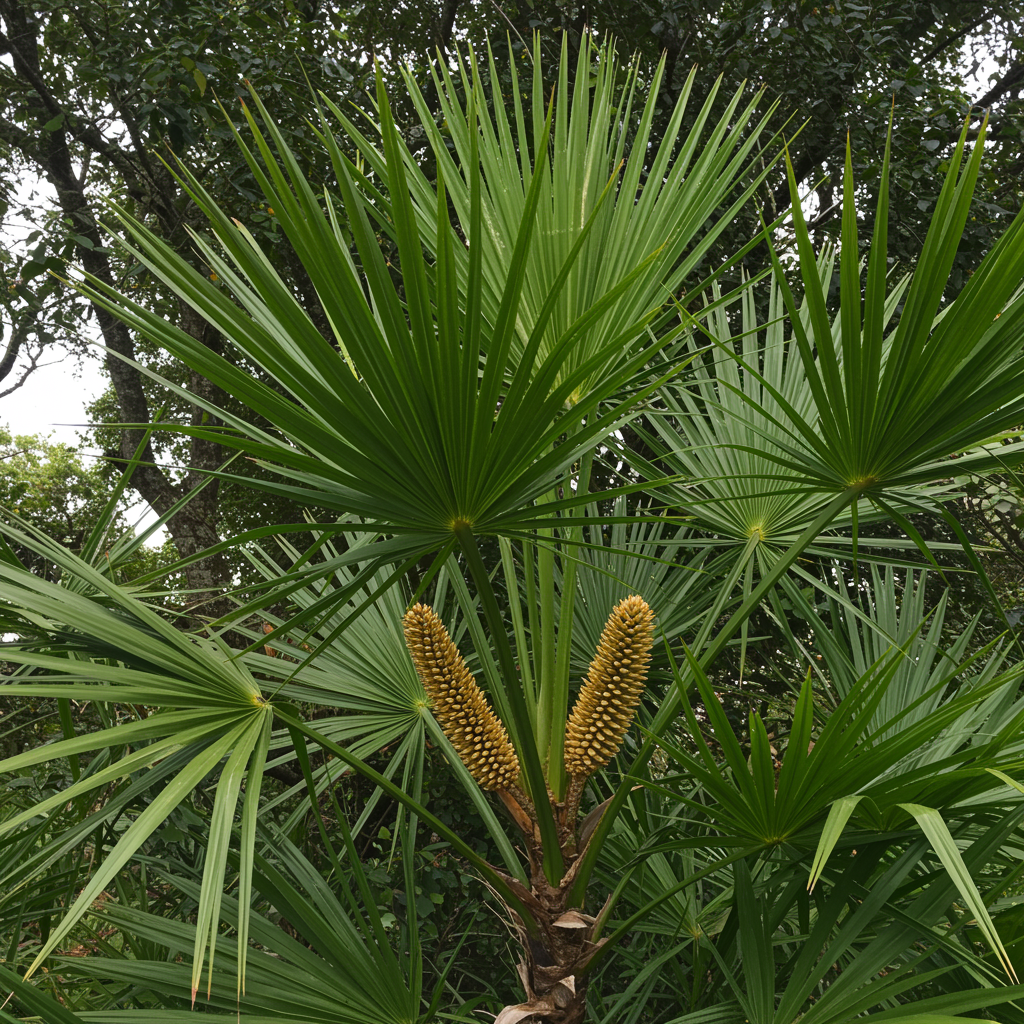
Saw Palmetto (Serenoa repens) is a type of palm tree native to the southeastern United States. For centuries, Native American tribes used its berries for various medicinal purposes, including treating urinary and reproductive issues. Today, the extract from these berries is a popular herbal supplement globally, primarily marketed for prostate health and urinary function. The active compounds in Saw Palmetto are believed to be fatty acids, plant sterols (phytosterols), and flavonoids. These components are thought to contribute to its potential effects by influencing hormonal pathways and reducing inflammation. As with many herbal supplements, the quality and standardization of Saw Palmetto products can vary significantly, which is an important consideration for anyone looking to incorporate it into their healthcare regimen.
Traditional Uses and Modern Popularity
Historically, Saw Palmetto was used to treat conditions ranging from urinary tract problems to impotence and even hair loss. Its popularity surged in the late 20th century as an alternative or complementary treatment for BPH symptoms, often appealing to individuals seeking natural approaches to health. This widespread use has fueled significant research interest, aiming to validate its traditional claims through scientific scrutiny. The allure of a natural solution often resonates deeply, encouraging many to explore its potential benefits before resorting to conventional pharmaceutical options.
The Scientific Connection: Saw Palmetto and Prostate Health
The core question remains: Is there a solid scientific connection between Saw Palmetto and prostate health? Research on Saw Palmetto’s efficacy for BPH symptoms has been extensive, yet the results have been, to put it mildly, mixed.
Mechanisms of Action
Scientists have proposed several ways Saw Palmetto might work. One primary theory suggests it may inhibit the enzyme 5-alpha reductase, which converts testosterone into di-hydrotestosterone (DHT). DHT is a potent androgen believed to play a role in prostate growth. By potentially reducing DHT levels, Saw Palmetto could theoretically slow down or prevent prostate enlargement. Other proposed mechanisms include anti-inflammatory effects and direct relaxation of smooth muscles in the prostate and bladder neck, which could alleviate urinary symptoms. These potential actions position Saw Palmetto as a multi-faceted supplement for prostate care.
Examining the Research: A Mixed Bag
Early studies and anecdotal reports were largely positive, suggesting Saw Palmetto could significantly improve urinary symptoms associated with BPH with fewer side effects than conventional medications. This led to its widespread adoption as a natural supplement. However, several large, well-designed, placebo-controlled trials conducted more recently have yielded less optimistic results. Many of these studies found Saw Palmetto to be no more effective than a placebo in improving BPH symptoms or prostate size.
For example, a prominent study published in the Journal of the American Medical Association (JAMA) found that Saw Palmetto extract, even at higher doses, did not improve urinary symptoms in men with BPH more than a placebo. Similarly, a review of multiple trials concluded that Saw Palmetto provides little or no benefit for men with BPH.
The discrepancies in research findings might be attributed to several factors:
Varying Extract Quality: Different supplements may contain different concentrations or forms of active compounds.
Study Design: Differences in dosage, duration, and participant characteristics could influence results.
Targeted Symptoms: Saw Palmetto might be more effective for certain symptoms or in specific stages of BPH, which some studies might not have adequately captured.
Despite the conflicting evidence, many individuals continue to use Saw Palmetto, reporting perceived benefits. This highlights the complex interplay between scientific evidence, personal experience, and the placebo effect in healthcare.
Beyond Saw Palmetto: A Holistic Approach to Prostate Health
While the direct connection between Saw Palmetto and significant improvement in BPH symptoms remains debated by robust scientific studies, it’s crucial to consider prostate health within a broader, holistic healthcare framework. Relying solely on one supplement is rarely the complete answer.
The Broader Nutritional Picture: Vitamins, Minerals, and Multivitamins
As highlighted earlier, a diet rich in fruits, vegetables, and healthy fats contributes significantly to overall well-being. Key vitamins and minerals like Vitamin D, zinc, selenium, and lycopene (found in tomatoes) are often associated with maintaining prostate health. Regular intake of these nutrients, either through diet or quality multivitamins, ensures your body has the fundamental building blocks it needs. When selecting any supplement, including multivitamins or specific vitamins and minerals, consider reputable brands and discuss your choices with a healthcare professional.
Lifestyle and Healthcare Consultations
Lifestyle choices play a monumental role. Regular physical activity, maintaining a healthy weight, and limiting caffeine and alcohol intake can all positively impact urinary function and prostate health. Most importantly, consistent engagement with healthcare providers for regular check-ups and screenings is non-negotiable. Early detection of prostate issues, including BPH and prostate cancer, is paramount for effective management and better outcomes. Your doctor can offer personalized advice, considering your unique health profile and guiding you through evidence-based treatment options.
In the digital age, staying informed is key. For those who craft content or analyze data, understanding reliable sources and synthesizing information efficiently is paramount. Tools that help you process and understand complex topics can be invaluable.
Conclusion: An Informed Path to Prostate Health
The journey to optimal prostate health is multifaceted, often involving a combination of lifestyle choices, dietary adjustments, and careful consideration of supplements. While Saw Palmetto has a long history of traditional use and continues to be a popular choice for many seeking natural support, the scientific evidence regarding its efficacy for BPH symptoms is not consistently conclusive. Some studies show promise, particularly in early stages, while others indicate no significant benefit over placebo. This mixed evidence underscores the importance of a critical, analytical approach.
Ultimately, maintaining prostate health involves more than just one supplement. It encompasses a holistic approach that prioritizes a nutrient-rich diet with essential vitamins and minerals, consistent physical activity, and crucial, ongoing dialogue with your healthcare provider. Before adding any new supplements, including Saw Palmetto or any multivitamins, to your regimen, always consult a medical professional. They can provide guidance tailored to your specific needs, ensuring your health choices are safe, effective, and evidence-based. Empower yourself with knowledge and make proactive, informed decisions about your well-being.


Leave a comment