No products in the cart.
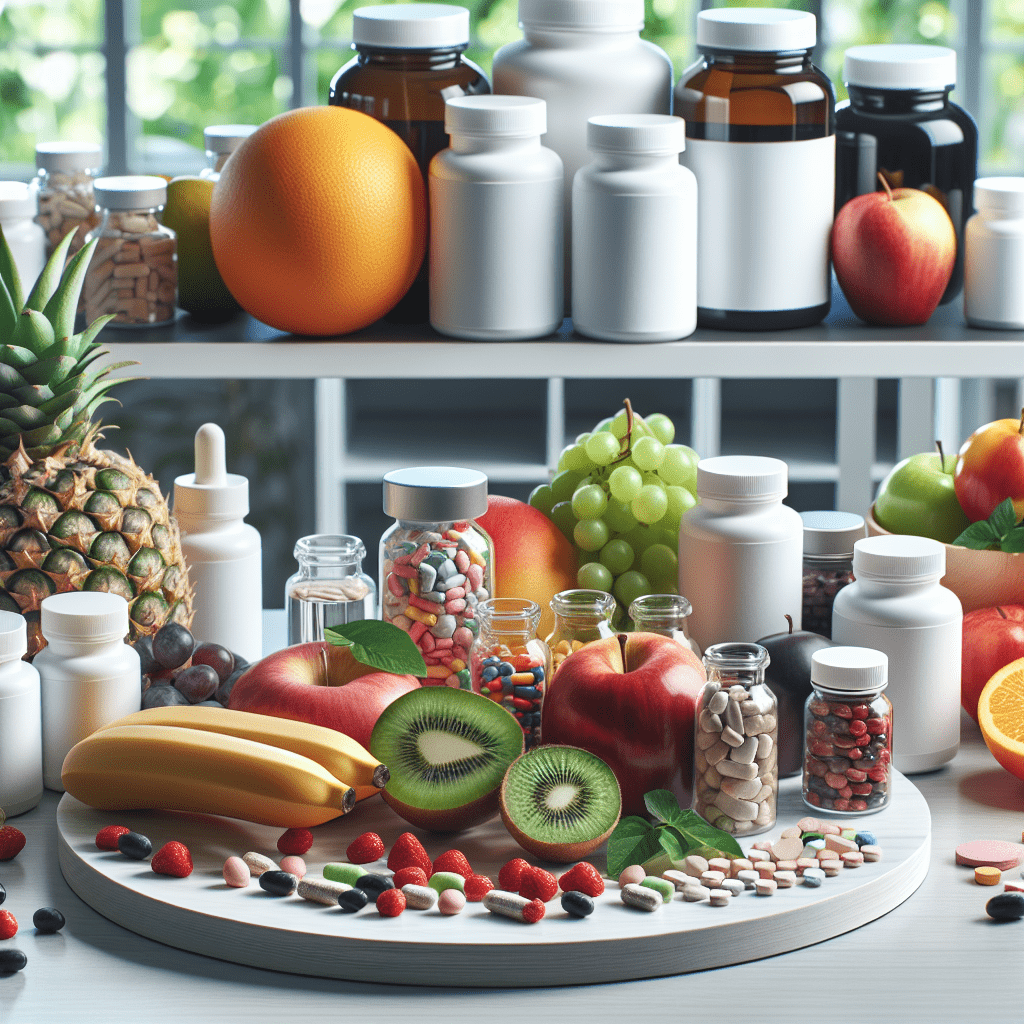


Harnessing the power of antioxidants through vitamins and supplements has become a cornerstone strategy in the pursuit of healthy aging. Antioxidants serve as protective agents that combat oxidative stress generated by free radicals—unstable molecules that accelerate cellular damage and contribute to the visible and internal signs of aging. By incorporating antioxidant-rich vitamins into one’s daily regimen, individuals can bolster their immune defenses, support skin integrity, and promote cellular regeneration, thereby slowing the aging process at a molecular level.
This article delves into the critical vitamins known for their anti-aging properties, explores effective supplement strategies, and highlights dietary sources that naturally enhance antioxidant intake. Additionally, we will discuss evidence-based techniques for integrating these nutrients into a cohesive routine designed to sustain vitality, optimize skin health, and support overall physiological function. For those interested in the synergy between multiple vitamins and antioxidants for enhanced anti-aging effects, see our detailed analysis on Multi-Vitamins and Antioxidants for Maximizing Anti-Aging Benefits.
Free radicals are highly reactive oxygen species generated by metabolic processes and environmental factors such as pollution, UV radiation, and smoking. These molecules cause oxidative stress by damaging DNA, lipids, and proteins within cells. This cumulative damage impairs cellular function and accelerates aging signs like wrinkles, loss of skin elasticity, and cognitive decline.
Antioxidants are molecules capable of donating electrons to stabilize free radicals, effectively neutralizing their reactivity. Vitamins such as C and E, along with carotenoids and polyphenols, serve as critical antioxidants within the body. By maintaining redox balance, antioxidants protect cellular components, reduce inflammation, and safeguard mitochondrial integrity—all essential factors in healthy aging.
Vitamin C is essential for the biosynthesis of collagen, a structural protein critical for skin firmness and elasticity. Additionally, it protects the skin from UV-induced photodamage by scavenging free radicals. Regular supplementation or consumption through citrus fruits, berries, and leafy greens strengthens dermal resilience and helps diminish wrinkle formation.
Vitamin E predominantly resides in cell membranes where it protects lipids from peroxidation. This fat-soluble antioxidant enhances skin hydration and reduces inflammation, contributing to a youthful complexion. Sources rich in vitamin E include nuts, seeds, and vegetable oils.
Vitamin A and its precursor beta-carotene regulate skin cell differentiation and support efficient cellular turnover. Supplementation can aid in reducing age-related skin thinning and promote a smooth texture. Dietary intake is optimized by consuming carrots, sweet potatoes, and dark leafy vegetables.
Coenzyme Q10 (CoQ10) is a mitochondrial antioxidant critical for cellular energy production and defense against oxidative stress. Glutathione, the body’s master antioxidant, supports detoxification and immune function. Together, they enhance cellular resilience and vitality, making them valuable in comprehensive anti-aging regimens.
Strategically combining a well-formulated multi-vitamin with targeted antioxidant supplements can create synergistic effects that amplify health benefits. For an advanced perspective on combining vitamins and antioxidants, consider reading this guide on maximizing anti-aging benefits. This approach supports holistic wellness, addressing multiple biological pathways associated with aging.
Diets abundant in colorful fruits, vegetables, nuts, and whole grains provide an array of natural antioxidants and vitamins critical for mitigating oxidative damage. Blueberries, spinach, almonds, and green tea are notable examples offering diverse antioxidant profiles to complement supplementation.
Consistency is paramount when aiming to harness the anti-aging potential of vitamins and supplements. Taking supplements with meals enhances absorption and assimilation. For those seeking tailored timing and dosage recommendations to optimize vitamin intake, the article on Maximizing Vitamin Drink Benefits provides scientifically-backed strategies.
Antioxidants play a pivotal role in slowing aging by neutralizing free radicals and supporting cellular health. Incorporating key vitamins such as C, E, and A through diet and supplements can significantly improve skin health, enhance immune function, and promote cellular regeneration. A strategic, consistent supplementation routine combined with antioxidant-rich foods offers a comprehensive approach to maintaining vitality and youthful aging. Leveraging multi-vitamins alongside targeted antioxidants amplifies these benefits, empowering individuals to optimize their long-term health and appearance.
Antioxidants are molecules that neutralize harmful free radicals, preventing oxidative damage to cells which is a major contributor to the aging process. By protecting cellular structures, antioxidants slow aging and promote overall health.
Vitamins C, E, and A are particularly effective. Vitamin C supports collagen production, vitamin E prevents lipid peroxidation, and vitamin A promotes healthy skin cell turnover, all of which help reduce wrinkles and maintain skin elasticity.
While many multi-vitamins offer essential antioxidants, combining them with targeted supplements like CoQ10 or glutathione can enhance cellular protection and regeneration. A tailored supplement plan yields better anti-aging results.
Yes, natural food sources provide a diverse variety of antioxidants and other phytonutrients that supplements may lack, supporting a holistic approach to health and maximizing anti-aging benefits.
Taking vitamins and supplements with meals typically improves absorption. Specific timing may vary depending on the type of vitamin or supplement. For optimized scheduling, refer to expert guidance on best timing strategies.


Leave a comment