

No products in the cart.
Decoding Liver Risk And The Role Supplements Play
A Deep Dive into OTC Drugs, Vitamins, and Supplements
In our fast-paced world, where optimizing performance and maintaining peak cognitive function are paramount, the pursuit of good health often leads us to readily available solutions. We frequently turn to over-the-counter (OTC) medications for minor ailments and embrace a vast array of vitamins, minerals, and multivitamins as daily anchors for our health and wellness routines. The perception is often that if a product is available without a prescription, it must be inherently safe. However, this widely held belief can obscure a critical area of healthcare concern: the potential impact these seemingly benign supplements and drugs can have on our liver.
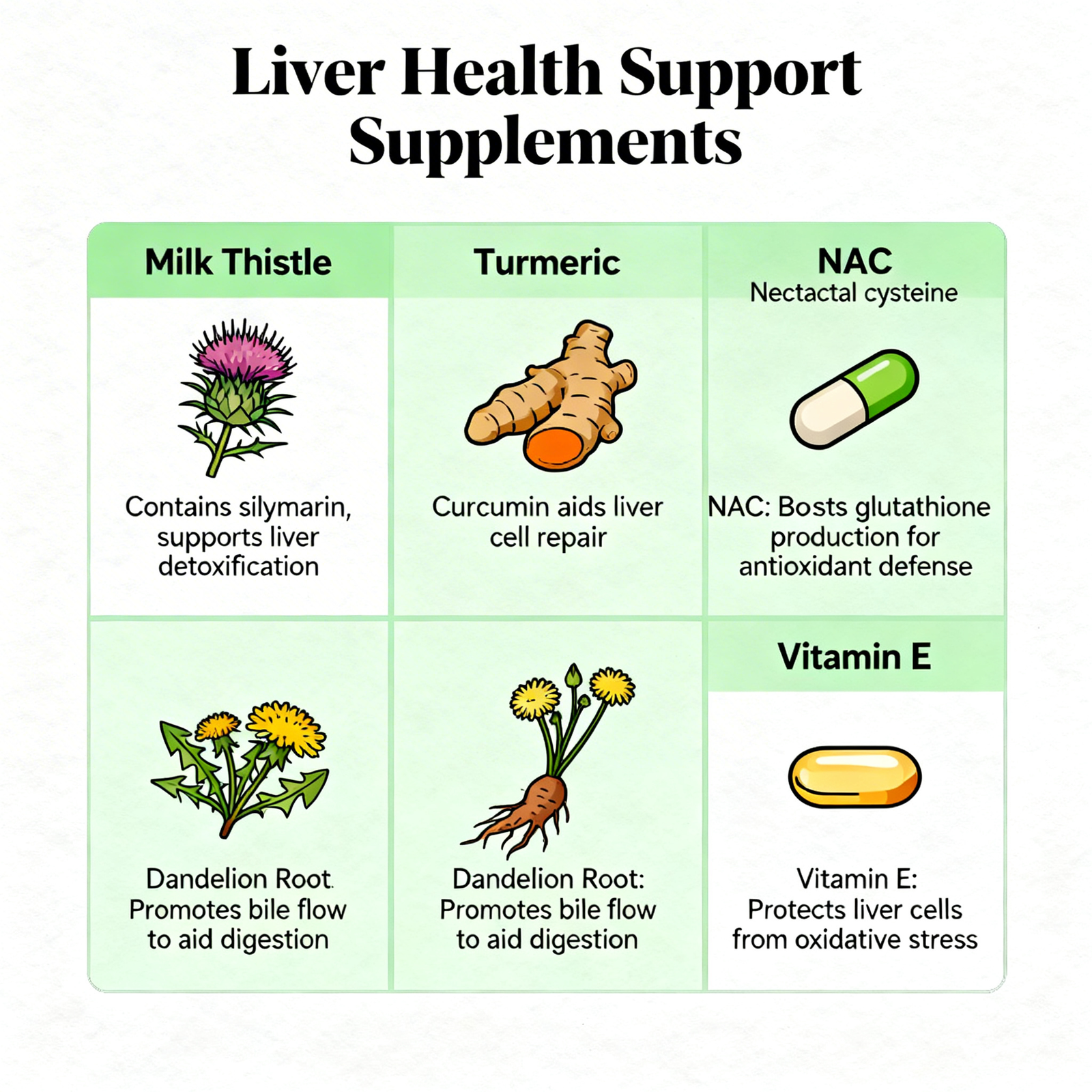
Understanding the nuances of personal health is just as crucial as mastering professional tools. Our livers work tirelessly, a silent powerhouse detoxifying our bodies, but even this robust organ has its limits. This article will unravel the often-overlooked connection between everyday OTC drugs and supplements and the significant risks they can pose to your liver. We’ll delve into how popular vitamins and minerals, alongside a growing market of multivitamins and herbal remedies, can sometimes become antagonists rather than allies in your quest for optimal health, empowering you to make more informed choices for your long-term healthcare.
The Allure of Over-the-Counter Solutions: A Double-Edged Sword for Your Health
The convenience and accessibility of over-the-counter medications and supplements have revolutionized personal healthcare. From pain relievers and cold remedies to daily multivitamins and specialized health boosters, these products line pharmacy shelves and online marketplaces, promising quick fixes and enhanced well-being. This ease of access, however, often fosters a false sense of security. Many assume that because these items don’t require a doctor’s prescription, they are entirely safe, with minimal to no side effects.
This perception is particularly strong when it comes to supplements like vitamins and minerals. Marketed heavily with promises of increased energy, improved immunity, and better overall health, they become an integral part of many people’s daily routines. While undoubtedly beneficial when used appropriately to address nutritional gaps, the line between beneficial intake and potentially harmful overload is often blurred. Understanding this delicate balance is crucial for anyone committed to proactive healthcare, especially professionals who rely on sustained mental and physical acuity.
Unpacking the Hidden Risks: Liver Damage from Everyday Pills
Our liver is a remarkable organ, performing over 500 vital functions, including detoxifying harmful substances, metabolizing drugs, and processing nutrients. This makes it particularly vulnerable to anything we ingest, including vitamins, minerals, and other supplements. Liver damage, often silent and progressive, can arise from various sources, and increasingly, over-the-counter products are implicated.
The Silent Battle: How Liver Injury Occurs
Drug-Induced Liver Injury (DILI) is a significant concern in healthcare. It occurs when exposure to a drug, vitamin, mineral, or herbal supplement results in liver damage. The liver metabolizes most substances we consume, transforming them into forms that can be used or excreted. During this process, some substances can produce toxic byproducts that directly injure liver cells, or trigger an immune response that attacks the liver. The severity can range from mild, asymptomatic enzyme elevations to acute liver failure, making vigilance essential for maintaining good health.
The insidious nature of DILI is that symptoms often mimic other conditions or don’t appear until significant damage has occurred. Fatigue, nausea, dark urine, or yellowing of the skin (jaundice) are late indicators. This makes early awareness and proactive healthcare choices paramount, particularly regarding your intake of various supplements and medications.
Over-the-Counter Medications: More Than Just Pain Relief
While generally considered safe when used as directed, common OTC medications can become liver adversaries if misused. The prime example is acetaminophen (found in Tylenol and many cold/flu remedies). It’s incredibly effective for pain and fever, but exceeding the recommended dosage, even slightly or over an extended period, can rapidly deplete the liver’s protective enzymes and lead to severe, even fatal, liver damage. Mixing multiple products that contain acetaminophen, often unknowingly, is a common pitfall.
Even seemingly innocuous anti-inflammatory drugs like ibuprofen or naproxen, while primarily impacting the kidneys with overuse, can also cause liver injury in susceptible individuals. The key takeaway for mindful healthcare is always to read labels carefully, understand active ingredients, and never exceed recommended doses of any OTC drug.
The Supplement Spectrum: Vitamins, Minerals, Multivitamins, and Beyond
The world of supplements is vast and largely unregulated compared to pharmaceutical drugs. While many vitamins, minerals, and multivitamins are crucial for optimal health, excessive or inappropriate use can transform them from beneficial aids into potential liver stressors.
The Vitamin Paradox: Essential Nutrients, Potential Overload
Vitamins are organic compounds essential for normal growth and nutrition, required in small quantities in the diet because they cannot be synthesized by the body. However, not all vitamins are created equal when it comes to liver safety.
Fat-soluble vitamins (A, D, E, and K) are stored in the liver and fatty tissues. While vital, excessive intake can lead to accumulation and toxicity. High doses of Vitamin A, for instance, often found in multivitamins and some acne treatments, are well-documented culprits for liver damage, ranging from elevated liver enzymes to cirrhosis. Similarly, very high doses of Niacin (Vitamin B3), sometimes used for cholesterol management, can cause significant liver injury. While water-soluble vitamins (like B and C) are generally safer as excesses are excreted in urine, extremely high doses can still pose risks to a susceptible liver.
Minerals: A Delicate Balance for Optimal Health
Just like vitamins, minerals are critical for numerous bodily functions, but specific ones can be problematic for the liver in excess. Iron, for example, is essential for red blood cell production. However, too much iron can accumulate in the liver, leading to a condition called hemochromatosis, which causes liver damage, fibrosis, and cirrhosis. This is particularly relevant for individuals with genetic predispositions or those taking multivitamins with high iron content without a diagnosed deficiency.
Copper is another mineral that, while essential, can be toxic in excess, particularly for individuals with Wilson’s disease, a genetic disorder where copper accumulates in the liver. Always consider the balance and your individual needs when choosing multivitamins or single mineral supplements to protect your long-term health.
Herbal and Dietary Supplements: The Wild West of Wellness
Perhaps the most significant area of concern for liver health comes from herbal and dietary supplements. The lack of stringent FDA regulation means these products don’t undergo the same rigorous testing for safety and efficacy as pharmaceutical drugs. This can lead to issues such as:
Contamination: Products may contain undeclared ingredients, prescription drugs, heavy metals, or pesticides.
Mislabeling: The actual ingredients or dosages may differ significantly from what’s listed on the label.
Ingredient Variability: The concentration of active compounds can vary wildly between batches or brands.
Inherent Toxicity: Some natural ingredients themselves are hepatotoxic. Examples include Kava, often used for anxiety, which is a known cause of liver failure; green tea extract, popular for weight loss, which has been linked to severe liver injury and black cohosh.
Navigating the Healthcare Labyrinth: What Professionals Need to Know
In an age where information is abundant but discernment is key, making informed healthcare decisions about OTC drugs and supplements is more vital than ever. Applying this critical thinking to personal health choices is a natural extension.
Informed Choices:
As professionals who value precision and efficacy, approach your health with the same rigor. Before adding any new vitamin, mineral, multivitamin, or herbal supplement to your routine, ask:
– Is it necessary? Can you get adequate nutrients from your diet?
– What are the ingredients? Research each component, not just the overarching health claim.
– What is the dosage? Stick to recommended amounts and be wary of products promising excessively high concentrations.
– What are potential interactions? Consider how supplements might interact with medications you already take.
– Who is the manufacturer? Look for reputable brands with third-party testing certifications.
Crucially, always consult a healthcare professional – your doctor, a registered dietitian, or a pharmacist – before starting any new supplement, especially if you have existing health conditions or are taking other medications. They can provide personalized advice and monitor for potential adverse effects, ensuring your healthcare journey is safe and effective.
The Role of Transparency and Regulation in Protecting Liver Health
The current regulatory landscape for supplements often places the burden of proof on the consumer. Advocating for greater transparency and more rigorous testing within the supplements industry is a long-term goal for better public health. In the meantime, empower yourself with knowledge and skepticism. Be wary of exaggerated claims, especially those promising miraculous results that sound too good to be true.
Our liver is a resilient organ, but it’s not invincible. By understanding the potential risks posed by common OTC drugs and the vast world of vitamins, minerals, and herbal supplements, you can take proactive steps to protect this vital organ. For further analysis and insights into complex data, professionals might find tools helpful.
Conclusion: Safeguarding Your Liver, Empowering Your Health Journey
The journey to optimal health is paved with intentions, but informed decisions are its foundation. While over-the-counter drugs and a diverse array of supplements, including vitamins, minerals, and multivitamins, are integral to modern healthcare, their widespread availability should not be mistaken for absolute safety. As we’ve explored, the liver, our body’s tireless detoxifier, is particularly vulnerable to the hidden risks associated with misuse, excessive intake, or the inherent toxicity of certain ingredients. From common pain relievers to popular herbal remedies, vigilance and knowledge are your strongest allies in preventing drug-induced liver injury.
Applying the same analytical rigor to your personal health choices is paramount. Always question, always research, and always consult healthcare professionals. Your liver’s well-being directly impacts your overall vitality, productivity, and long-term health. By making conscious, informed choices, you not only safeguard your liver but also empower yourself to lead a healthier, more vibrant life, free from preventable healthcare complications. Stay ahead with cutting-edge insights and exclusive content by subscribing to our newsletter today! Subscribe Now!


Leave a comment